
In the world of acoustic guitars, tone is everything. Every detail, from the string gauge to the craftsmanship, plays a part in defining the instrument’s voice. However, the soundboard is one of the most crucial components that shape a guitar’s character. Among soundboards, the traditional tonewood soundboard stands as a symbol of heritage, quality, and acoustic brilliance. Let’s delve into why tonewood matters, how it affects the guitar’s tone, and what to consider when purchasing a guitar’s soundboard online.
Table of Contents
What Is a Soundboard and Why Does It Matter?
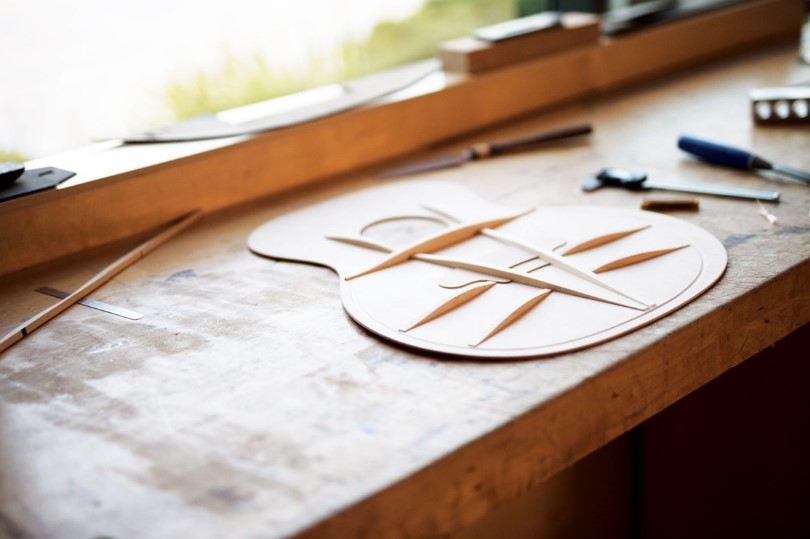
The soundboard, the top of the guitar, is the primary vibrating surface that produces sound when the strings are plucked. This thin wooden panel acts as an amplifier, transferring the string vibrations through the bridge and across the top.
When built using a traditional tonewood soundboard, the resonance and tonal quality are amplified naturally, offering a warm, balanced, and articulate sound that musicians have cherished for centuries. It is no exaggeration to say that the soundboard plays a more critical role in the tonal output than any other part of the guitar body.
The Importance of Traditional Tonewoods
Why Traditional Tonewoods Are Preferred
For centuries, luthiers have trusted specific tonewoods like Sitka spruce, Adirondack spruce, cedar, and mahogany. These woods are not selected merely for their aesthetic appeal—they are chosen for their acoustic properties, stability, and responsiveness. A traditional tonewood soundboard enhances sound projection, provides tonal depth, and ensures longevity.
Modern composite materials and alternatives have emerged, but most professional musicians still lean toward the warmth and familiarity of the traditional tonewood soundboard for both performance and recording purposes.
How Tonewood Affects Sound
Different tonewoods influence the guitar’s sound in unique ways:
- Spruce: Bright and powerful with clear projection.
- Cedar: Warm, dark, and responsive, great for fingerstyle.
- Mahogany: Earthy and mid-range focused.
- Maple: Bright, with excellent note separation.
When shopping for the best guitar soundboards, understanding these differences can help you choose the right tonewood to suit your playing style and genre.
Buying Guitar Soundboards Online
The Rise of Online Tonewood Shopping
With technological advancements and improved logistics, it has become increasingly popular to buy a guitar soundboard online. Whether you’re a seasoned luthier or a DIY enthusiast, online platforms offer detailed descriptions, specifications, and customer reviews to help guide your decision.
However, buying a soundboard sight unseen comes with its challenges. Grain patterns, stiffness, and tap tones are tactile elements that are hard to assess digitally. That said, reputable sellers of the best guitar soundboards will often provide close-up images, grading information, and even videos to bridge the gap.
What to Look for When Shopping Online
When looking for a guitar soundboard online, consider the following:
- Grain Consistency: A tighter, straighter grain usually indicates higher quality.
- Quarter-Sawn Cut: This type of cut offers structural integrity and consistent tonal response.
- Moisture Content: Look for kiln-dried or properly aged wood with controlled moisture levels.
- Supplier Reputation: Choose sellers known for offering traditional tonewood soundboard options with verified sourcing.
Top Tonewoods Used in Guitar Soundboards
Sitka Spruce
Sitka spruce is perhaps the most commonly used tonewood for acoustic guitars. It offers a balanced tone with strong fundamentals, making it a favorite among both beginners and pros. Its adaptability makes it a strong contender among the best guitar soundboards.
Western Red Cedar
Cedar offers a softer, warmer tone ideal for fingerstyle players. It’s not as stiff as spruce, which gives it a quicker response but slightly less headroom.
Mahogany
Favored for its midrange warmth and clarity, mahogany provides a woody and grounded tone. Guitars built with mahogany as the traditional tonewood soundboard deliver an organic and rootsy sound profile.
Caring for Your Tonewood Soundboard
Humidity and Storage
Tonewood is sensitive to humidity. Too much moisture can cause swelling, while too little can lead to cracks. When you buy a guitar soundboard online, make sure to store it in a controlled environment if you’re not using it immediately.
Finishing Techniques
The type of finish applied can also impact tonal characteristics. Thin finishes like nitrocellulose lacquer allow the wood to vibrate more freely, preserving the benefits of the traditional tonewood soundboard.
Why Tradition Still Wins in the Modern World
Despite the growth of synthetic materials and alternative construction methods, traditional tonewoods remain at the heart of great acoustic sound. Their proven track record, combined with the artistry of craftsmanship, ensures that a traditional tonewood soundboard continues to be the foundation for the best guitar soundboards.
Musicians looking to build or buy high-quality acoustic guitars should never overlook the importance of the soundboard. Whether you’re building from scratch or upgrading an existing instrument, you can find the right guitar soundboard online that fits your needs without compromising on tone.
FAQs
What is a traditional tonewood soundboard?
A traditional tonewood soundboard is a guitar top made from classic tonewoods like spruce, cedar, or mahogany. These woods are valued for their superior acoustic properties and are commonly used in handcrafted and high-end guitars.
Is it safe to buy a guitar soundboard online?
Yes, buying a guitar soundboard online is safe as long as you choose a reputable supplier. Look for detailed descriptions, high-resolution photos, and customer reviews to make an informed purchase.
How do I choose the best guitar soundboards?
To choose the best guitar soundboards, consider the type of tonewood, grain pattern, moisture content, and supplier credibility. Your playing style should also influence your choice—spruce for versatility, cedar for warmth, and mahogany for midrange focus.
Can I replace my existing guitar top with a new soundboard?
While it’s technically possible, replacing a guitar soundboard is a complex task that should be handled by a skilled luthier. It involves removing the neck and re-voicing the instrument, which can be both expensive and risky.
What finish should I use on a traditional tonewood soundboard?
Use a thin finish like nitrocellulose or French polish to preserve the tonewood’s natural resonance. Avoid thick poly finishes that can dampen the wood’s ability to vibrate freely.