
The demand for faster processing, greater computing density, and continuous system availability has made effective cooling more important than ever. Across Canada, organizations are investing in advanced thermal solutions that can handle increasing heat loads without compromising performance. At the center of many of these strategies are cooling distribution systems, which help transport coolant efficiently and maintain optimal operating conditions for critical equipment. These systems help deliver coolant where it is needed most, ensuring that critical equipment operates within safe temperature ranges while maximizing energy efficiency.
Table of Contents
- Understanding Cooling Distribution Systems
- Why Cooling Distribution Systems Are Essential?
- The Connection Between Cooling Distribution Systems and Data Center Cooling Systems
- Thermal Management Systems and Long-Term Performance
- The Role of Coolant Circulation Systems in Thermal Management
- Future Trends in Cooling Infrastructure
- Conclusion
- FAQs
- What are cooling distribution systems used for?
- How do cooling distribution systems improve efficiency?
- Why are coolant circulation systems important in advanced cooling environments?
- How do cooling distribution systems support data center cooling systems?
- What should organizations consider when selecting a cooling system?
- FAQs
Understanding Cooling Distribution Systems
By ensuring continuous coolant delivery, these systems help prevent overheating and support long-term data center equipment performance. They are engineered networks that transport cooling fluids throughout an environment to remove heat generated by electronic equipment and other high-performance systems. They serve as the backbone of many modern cooling architectures, enabling efficient heat transfer and maintaining stable operating conditions.
How Cooling Distribution Systems Work
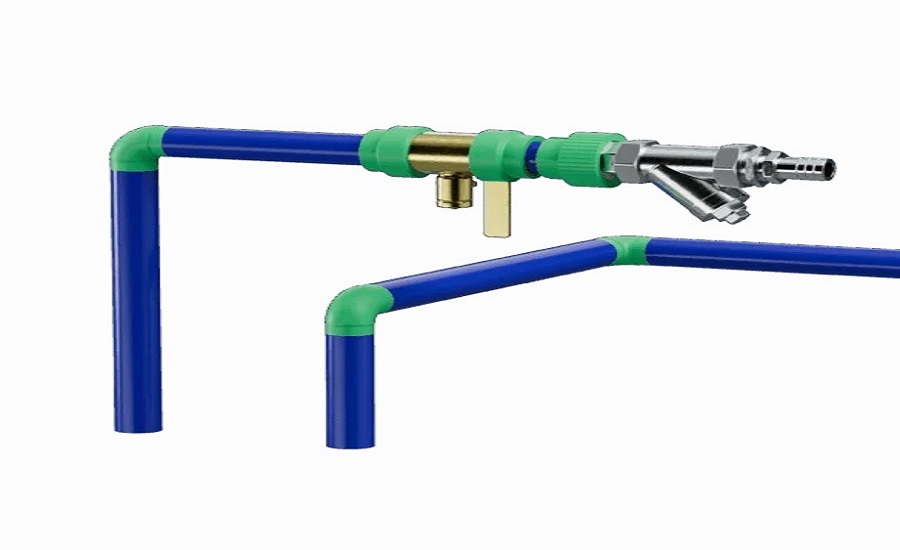
A cooling system typically includes pumps, piping, valves, monitoring equipment, and heat exchange components. Together, these elements circulate coolant through designated pathways, absorbing heat from equipment and dissipating it effectively.
The ability to manage heat efficiently is particularly important in facilities where computing density and processing demands continue to increase.
Why Cooling Distribution Systems Are Essential?
Effective thermal control is necessary to maintain system reliability and reduce operational risks. Without proper heat removal, electronic equipment may experience reduced performance, shortened lifespan, or unexpected downtime.
Organizations throughout Canada are recognizing the importance of advanced cooling infrastructure for supporting business continuity and improving energy efficiency.
Supporting Equipment Reliability
Extreme temperatures stress hardware components and can contribute to premature wear. Cooling distribution systems help maintain consistent operating conditions, reducing thermal strain and improving equipment longevity. Stable temperatures also contribute to predictable system performance, which is essential for mission-critical operations.

Call CoolIT Systems today to discover thermal management solutions that keep your infrastructure performing at its best.
Enhancing Energy Efficiency
Modern cooling solutions are designed to maximize heat removal while minimizing energy consumption. By delivering coolant precisely where it is needed, it helps reduce unnecessary power usage and improve overall operational efficiency. This approach supports sustainability goals while helping organizations manage operating costs more effectively.
The Connection Between Cooling Distribution Systems and Data Center Cooling Systems
As digital infrastructure expands, data center cooling systems have become more sophisticated. Traditional air-based methods are increasingly complemented by liquid cooling technologies that offer improved thermal performance.
It play a vital role in these environments by transporting coolant to servers, processors, and other heat-generating components. Their ability to support efficient heat transfer helps facilities handle higher computing densities without compromising performance.
Meeting Modern Computing Demands
Artificial intelligence, cloud services, advanced analytics, and high-performance computing applications generate substantial thermal loads. To address these challenges, organizations in Canada are investing in advanced cooling strategies that provide scalable and reliable heat management. Efficient coolant delivery is a key factor in supporting these evolving operational requirements.
Efficient Coolant Delivery for Critical Equipment
By providing a consistent flow of coolant, these systems help maintain stable operating temperatures and support reliable performance across demanding computing environments. It ensures that coolant reaches servers, processors, and other heat-generating components efficiently.
Supporting High-Density Computing Environments
As computing density increases, managing heat becomes more challenging. It plays an essential role in helping facilities handle higher thermal loads by enabling effective heat transfer and reducing the risk of hotspots that can impact equipment performance.
Enhancing Thermal Efficiency in Modern Data Centers
Modern data center cooling systems increasingly rely on advanced liquid cooling technologies to improve thermal management. It supports these solutions by transporting coolant throughout the infrastructure, helping optimize energy efficiency while maintaining operational stability.
Thermal Management Systems and Long-Term Performance
By integrating intelligent monitoring with effective coolant delivery, organizations can improve reliability and optimize infrastructure performance. Comprehensive thermal management systems combine monitoring, control, and cooling technologies to maintain optimal operating conditions. These systems help organizations identify potential issues before they impact performance and enable proactive management of thermal resources.
The Role of Coolant Circulation Systems in Thermal Management
A well-designed circulation system helps maintain balanced temperatures across equipment while supporting overall system stability. Coolant circulation systems are a core component of effective cooling infrastructure. They ensure that cooling fluids move continuously throughout the network, enabling consistent heat absorption and removal.
Key Benefits of Coolant Circulation Systems
Benefits often include:
- Improved heat transfer efficiency
- Enhanced equipment protection
- Greater operational reliability
- Reduced risk of thermal hotspots
- Better support for high-density environments
When integrated with advanced distribution systems, these benefits contribute to a more resilient thermal management strategy.
The Importance of Scalable Cooling Solutions
As operational requirements grow, cooling systems must adapt. Scalable cooling systems support future expansion while maintaining efficiency and performance standards. This flexibility is increasingly important as facilities continue to adopt more powerful technologies and higher-density equipment configurations.
Future Trends in Cooling Infrastructure
The future of thermal management is expected to focus on greater efficiency, intelligent monitoring, and advanced liquid cooling technologies. Organizations are seeking solutions that provide precise heat removal while supporting sustainability objectives and long-term operational growth. It will remain central to these evolving strategies, helping organizations maintain performance while addressing increasingly complex thermal challenges.
Conclusion
Cooling distribution systems play a fundamental role in modern thermal infrastructure by enabling efficient coolant delivery, supporting equipment reliability, and improving energy efficiency. As computing environments become more demanding, these systems provide the foundation needed to manage heat effectively and maintain stable operations. From supporting advanced data center cooling systems to enhancing overall thermal management systems, their importance continues to grow across a wide range of applications. For organizations seeking innovative thermal management solutions, visit CoolIT Systems today to explore advanced technologies designed to address complex cooling requirements.
FAQs
What are cooling distribution systems used for?
They are designed to transport coolant throughout a facility or technology environment to remove excess heat from critical equipment. They help maintain stable operating temperatures, support reliable performance, and reduce the risk of overheating that could affect operational continuity.
How do cooling distribution systems improve efficiency?
These systems improve efficiency by delivering cooling resources directly to areas where heat is generated. This targeted approach allows equipment to operate within recommended temperature ranges while reducing unnecessary energy consumption associated with less precise cooling methods.
Why are coolant circulation systems important in advanced cooling environments?
Coolant circulation systems ensure that the cooling fluid moves continuously through the system, allowing heat to be absorbed and effectively transported away. Without proper circulation, thermal buildup can occur, reducing cooling effectiveness and potentially impacting equipment performance.
How do cooling distribution systems support data center cooling systems?
Cooling distribution systems provide the pathway through which coolant reaches servers, processors, and other high-performance equipment. Their ability to distribute cooling resources efficiently helps support higher computing densities and enables facilities to manage increasing thermal loads more effectively.
What should organizations consider when selecting a cooling system?
Organizations should evaluate factors such as cooling capacity, scalability, reliability, energy efficiency, monitoring capabilities, and compatibility with existing infrastructure. Selecting a solution that aligns with current and future operational requirements helps ensure long-term performance and effective thermal management.