
A single discolored tooth can stand out when you smile, especially if the surrounding teeth have a lighter, more even shade. While teeth whitening can improve certain stains, deeper discoloration may need a different cosmetic solution. Porcelain veneers in Palmdale can help conceal stubborn stains and improve the appearance of an affected tooth without treating several healthy teeth.
Table of Contents
- Can Porcelain Veneers in Palmdale Cover One Discolored Tooth?
- Why Does One Tooth Become Darker Than the Others?
- Why Consider a Single Porcelain Veneer Instead of Multiple Veneers?
- How Are Porcelain Veneers in Palmdale Matched to Natural Teeth?
- What Happens During the Single-Tooth Porcelain Veneer Procedure?
- Porcelain Veneers vs. Teeth Whitening for a Single Discolored Tooth
- How Much Does a Single Porcelain Veneer Cost in Palmdale?
- How to Choose a Dentist for a Single Porcelain Veneer
- How to Maintain a Single Porcelain Veneer
- Conclusion
A single porcelain veneer is a thin, custom-made ceramic shell that covers the visible front surface of a tooth. It can improve dental structure color, shape, and appearance while blending with nearby natural teeth.
Can Porcelain Veneers in Palmdale Cover One Discolored Tooth?
Yes, porcelain veneers in Palmdale can cover a single discolored tooth if it has enough healthy enamel and is suitable for cosmetic treatment. A dentist can customize the veneer’s color, shape, and translucency to resemble neighboring teeth, helping create a more balanced smile.
Unlike whitening treatments that lighten existing tooth structure, a porcelain veneer conceals discoloration beneath a ceramic covering.
Before recommending treatment, a dentist typically evaluates:
- Tooth health: The affected tooth should be free of untreated decay and other significant dental problems.
- Discoloration severity: Deep stains may require more opaque porcelain.
- Enamel condition: Sufficient healthy enamel helps support secure bonding.
- Gum health: Healthy gums help maintain the restoration’s appearance and fit.
- Bite alignment: Grinding, clenching, or excessive biting pressure may affect veneer durability.
For someone with one noticeably darker front tooth, a single veneer may offer an appropriate cosmetic option without changing the appearance of the entire smile.
Why Does One Tooth Become Darker Than the Others?
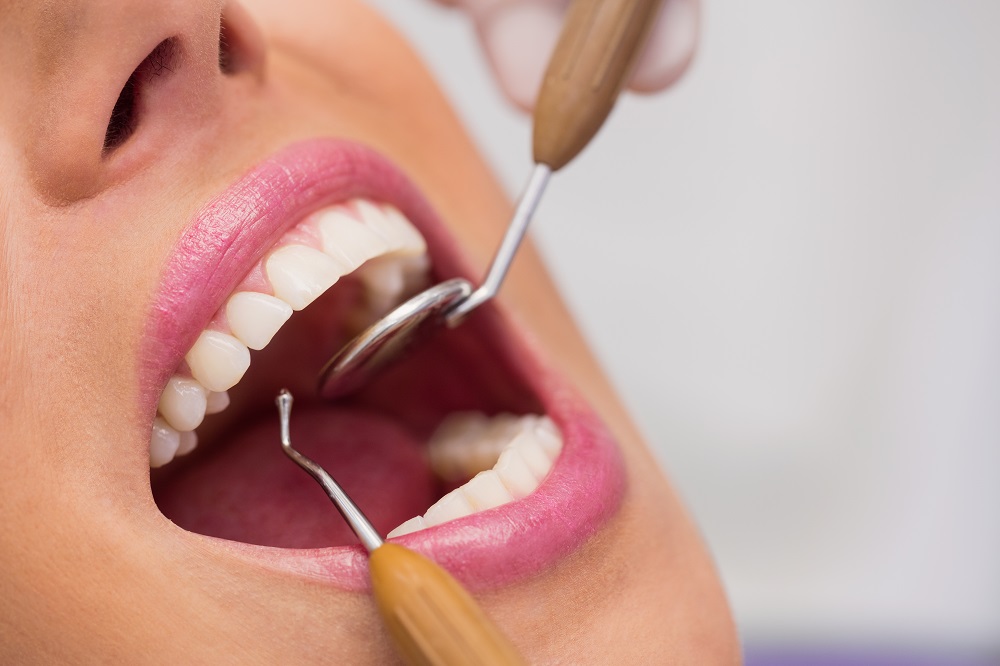
Tooth discoloration can develop for several reasons. Some stains affect the outer enamel, while others originate inside the dental structure. Identifying the cause matters because some conditions require dental treatment before cosmetic improvements.
Tooth Injury or Trauma
A fall, sports injury, or accidental impact can damage a tooth’s internal tissues. Even without a visible crack, changes inside the tooth may cause it to turn gray, brown, or yellow over time.
A darkened tooth following an injury should be examined to determine whether the dental pulp remains healthy. The pulp contains nerves and blood vessels that help maintain dental structure vitality.
Discoloration After Root Canal Treatment
A tooth that has received root canal treatment may gradually appear darker than neighboring teeth. Changes within the tooth or staining from remaining dental materials can contribute to this difference.
In certain cases, internal bleaching may improve the shade. When discoloration persists, a porcelain veneer may be considered if the dental structure has adequate remaining structure.
Deep Stains Within the Tooth
Some discoloration develops inside the enamel or dentin rather than on the tooth’s surface. These changes may result from previous dental trauma, developmental conditions, or certain medications.
Because deep stains do not always respond well to conventional whitening, a cosmetic restoration may provide more consistent color coverage.
Natural Changes in Tooth Color
Teeth can change color with age as enamel becomes thinner and the underlying dentin becomes more visible.
Although these changes often affect several teeth, differences in enamel thickness, past dental work, or individual tooth conditions can cause one tooth to appear darker.
According to the American Dental Association’s guidance on whitening, the location and cause of discoloration influence which treatment may be effective.

Farzad Dental in Palmdale provides personalized dental care, including dental implants, Invisalign, crowns, teeth whitening, and preventive services to support your long-term oral health.
Why Consider a Single Porcelain Veneer Instead of Multiple Veneers?
Not every cosmetic concern requires a complete smile makeover. When one tooth has noticeable discoloration and the surrounding teeth are healthy, treating only the affected dental structure may be a suitable approach.
Patients exploring veneers in Palmdale treatment options can discuss whether a single restoration would meet their cosmetic goals.
Preserving the Appearance of Healthy Teeth
A single veneer focuses treatment on the tooth that needs improvement. This may avoid unnecessary cosmetic procedures on neighboring teeth.
However, traditional veneer placement generally involves removing some enamel from the affected tooth, making the procedure irreversible in most cases.
Creating a Natural-Looking Smile
Porcelain can reproduce many of the visual qualities of natural enamel, including subtle color variations and translucency.
When the restoration is carefully planned, the treated dental structure can blend with nearby teeth rather than appearing unusually bright or artificial.
Improving Resistance to Surface Stains
Porcelain generally resists surface staining better than natural enamel. This can help the restoration maintain its appearance over time.
However, surrounding natural teeth may still change color, so routine dental care and stain prevention remain important.
Providing a Long-Term Cosmetic Option
With proper maintenance, porcelain veneers commonly last around 10–15 years, although individual results vary. Some may require attention or replacement sooner because of wear, damage, or changes in oral health.
The American Dental Association also notes that veneers can chip, loosen, or wear down over time, so patients should understand their maintenance needs before treatment.
How Are Porcelain Veneers in Palmdale Matched to Natural Teeth?
Creating a realistic result with porcelain veneers in Palmdale requires careful attention to color, tooth shape, light reflection, and the existing shade of the affected dental structure.
Matching a single front tooth can be particularly challenging because the restoration sits directly beside natural teeth. Even small differences may become noticeable in daylight or photographs.
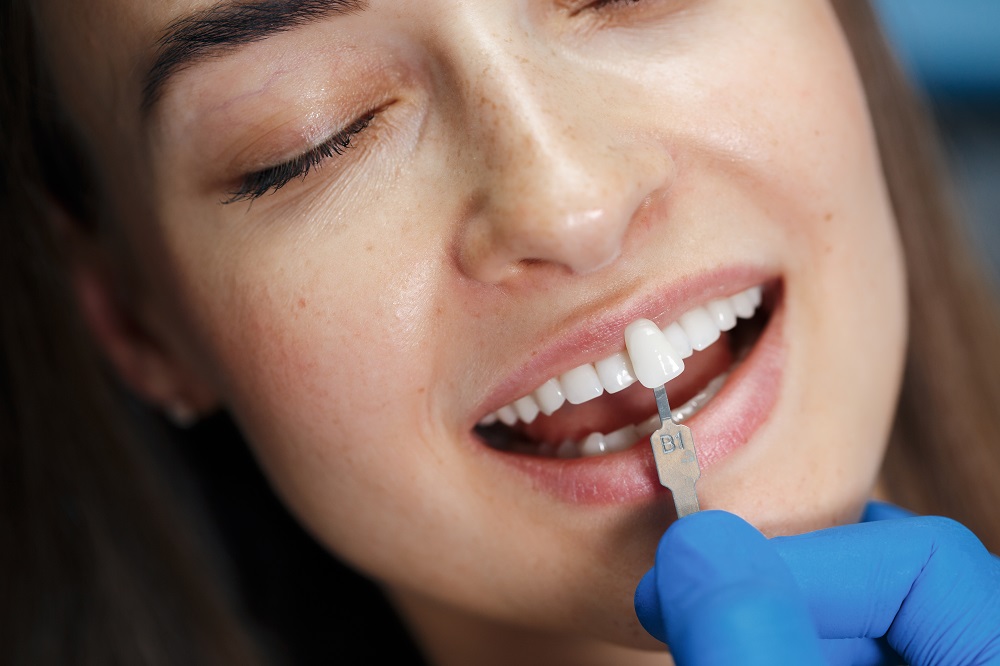
Matching Tooth Shade and Translucency
Natural teeth are not completely uniform in color. They often vary subtly from the gumline to the biting edge.
A dentist considers these differences when choosing porcelain materials. For a severely darkened tooth, a more opaque ceramic or suitable bonding material may be needed to conceal the underlying discoloration.
However, too much opacity can make the veneer look flat compared with natural enamel.
Matching Tooth Shape and Size
A custom veneer should follow the natural proportions of the surrounding teeth.
The dentist considers tooth length, width, edge shape, and position when planning the restoration. Small adjustments can help the treated dental structure complement the patient’s existing smile.
Maintaining a Natural Gumline
The veneer should fit smoothly along the gumline without irritation or plaque-trapping areas.
Proper contours and polished edges also help support comfortable cleaning and a natural appearance.
Considering Whitening Before Veneer Placement
If the surrounding teeth are also stained, a dentist may suggest whitening them before selecting the final veneer shade.
Because porcelain does not respond to conventional whitening the same way natural teeth do, completing any planned whitening first may help achieve a more consistent color match.
What Happens During the Single-Tooth Porcelain Veneer Procedure?
The treatment process generally involves a dental examination, preparation, custom veneer creation, and bonding. Depending on the case, it may require two or more appointments.
Step 1: Initial Examination
The dentist examines the affected dental structure and reviews its discoloration history.
When appropriate, the dentist may use dental photographs, digital scans, and X-rays to assess the tooth’s condition and plan the restoration.
If the discoloration developed after an injury, checking for internal damage becomes especially important.
Step 2: Tooth Preparation
For a traditional veneer, the dentist removes a small amount of enamel to create space for the porcelain shell.
The amount depends on the tooth’s position, existing color, and desired shape. Local anesthesia may keep the patient comfortable.
Because enamel cannot grow back, patients should discuss the irreversible nature of preparation before proceeding.
Step 3: Custom Veneer Creation
A digital scan or impression captures the prepared tooth’s size and shape.
The dental laboratory uses this information, along with shade details, to create a custom porcelain veneer.
The lab may place a temporary covering while it makes the final restoration.
Step 4: Final Placement and Bonding
During the placement appointment, the dentist evaluates the veneer’s fit, color, and appearance.
Once the restoration is approved, the dentist bonds it to the dental structure using dental adhesive materials. The dentist then checks the bite and makes any necessary adjustments.
Mild sensitivity may occur after preparation or bonding, but you should have significant or persistent discomfort evaluated.
Porcelain Veneers vs. Teeth Whitening for a Single Discolored Tooth
Both treatments can improve tooth appearance, but they work differently.
| Feature | Porcelain Veneers | Teeth Whitening |
| Primary purpose | Conceals discoloration | Lightens natural tooth color |
| Suitable for | Persistent stains and cosmetic imperfections | Stains that respond to bleaching |
| Tooth preparation | Usually requires some enamel removal | Generally does not require enamel removal |
| Color matching | Customized porcelain shade | Depends on tooth response |
| Treatment longevity | Often 10–15 years with care | Results vary and may need touch-ups |
| Main limitation | Usually irreversible | May not correct severe internal discoloration |
Whitening may be preferable when the tooth is healthy, and the discoloration responds to bleaching. For deeper stains that remain visible, a porcelain veneer may provide more predictable coverage.
How Much Does a Single Porcelain Veneer Cost in Palmdale?
The affordable veneers cost in Palmdale varies depending on the ceramic material, treatment complexity, dental laboratory work, and additional procedures that may be needed.
As a general U.S. planning estimate, porcelain veneers may cost approximately 900–2,500 or more per tooth. This is not a verified quote for a specific Palmdale dental office, and actual fees may fall outside this range.
Several factors influence pricing:
- Type and quality of porcelain
- Complexity of shade matching
- Dental laboratory customization
- Temporary veneer requirements
- Additional examinations or treatment
Cosmetic veneers are often excluded from standard dental insurance coverage. However, individual benefits vary, and some plans may provide limited coverage when treatment is considered medically necessary.
Patients should request a written cost estimate and review available financing or payment options before starting treatment.
How to Choose a Dentist for a Single Porcelain Veneer
Selecting a qualified dentist is important when considering a cosmetic restoration, particularly for a visible front tooth.
People searching for the best veneers dentist near them should evaluate clinical experience, treatment planning, and communication rather than relying only on advertising claims.
Here are some practical considerations.
Review Cosmetic Dentistry Experience
Ask whether the dentist has experience placing single-tooth veneers, especially in cases involving difficult shade matching.
Single-tooth restorations require attention to surrounding enamel color and natural dental structure.
Discuss Alternative Treatments
A thorough consultation should explain the advantages and limitations of whitening, dental bonding, veneers, and crowns.
This helps patients determine whether porcelain is the best option for their situation.
Understand the Treatment Plan
Ask about the expected number of appointments, preparation requirements, temporary restorations, and aftercare.
It is also helpful to understand what happens if a veneer chips, becomes loose, or eventually requires replacement.
Confirm Costs and Follow-Up Care
Patients should receive clear information about treatment fees and any recommended follow-up visits.
For individuals searching for a dentist in Palmdale, convenient access to the dental office can make consultations and ongoing care easier.
Farzad Dental provides cosmetic dentistry services, including porcelain veneers, for patients looking to improve tooth color and appearance. A dental consultation can help establish whether one veneer is suitable for the affected dental structure.
How to Maintain a Single Porcelain Veneer
Maintaining good oral hygiene helps protect both the veneer and the natural tooth supporting it.
- Avoid biting hard objects: Chewing ice, biting pens, or using teeth to open packaging can damage porcelain restorations.
- Manage teeth grinding: Patients who grind or clench their teeth should discuss whether a custom night guard would be appropriate.
- Schedule routine dental visits: Regular checkups help identify changes in the veneer, gum health, or underlying tooth structure.
- Limit staining habits: Although porcelain resists stains, frequent exposure to coffee, tea, and tobacco can affect nearby natural teeth and the overall appearance of the smile.
Residents of nearby Quartz Hill who are considering dental treatment in Palmdale may also find it helpful to plan for follow-up appointments when comparing dental offices.
Frequently Asked Questions
Can a single porcelain veneer look like a natural tooth?
Yes. A custom veneer can closely match the shade, shape, and translucency of neighboring teeth. However, the final appearance depends on the underlying tooth color, porcelain material, and treatment planning.
Is getting one porcelain veneer painful?
Local anesthesia can help minimize discomfort during preparation. Some patients experience temporary tooth sensitivity afterward, although significant or lasting pain requires dental evaluation.
Can whitening treatments improve a tooth before veneer placement?
Yes. Professional whitening may improve certain types of discoloration. For teeth with internal staining, a dentist may consider specialized whitening methods before recommending a veneer.
How long does a single porcelain veneer last?
Porcelain veneers commonly last about 10–15 years with proper care, although longevity varies. Oral hygiene, biting habits, grinding, and routine dental examinations can influence their lifespan.
Can cavities develop under porcelain veneers?
Yes. Porcelain does not decay, but the natural tooth around or beneath the restoration can develop cavities. Regular brushing, flossing, and professional dental care remain necessary.
Conclusion
A single darkened tooth can affect the balance of an otherwise healthy smile, but treating several teeth is not always necessary. Porcelain veneers in Palmdale may offer an effective cosmetic option to conceal persistent discoloration while preserving the appearance of neighboring teeth. The best results depend on identifying the cause of discoloration, evaluating dental structure health, and carefully matching the porcelain to natural enamel. Some patients may benefit from whitening or dental bonding instead, while teeth with significant damage may require other restorative treatment.
Considering a porcelain veneer for a discolored tooth? Explore cosmetic dentistry options in Palmdale and Get Directions to Farzad Dental on Google Maps before planning your consultation.